Solder Wire About
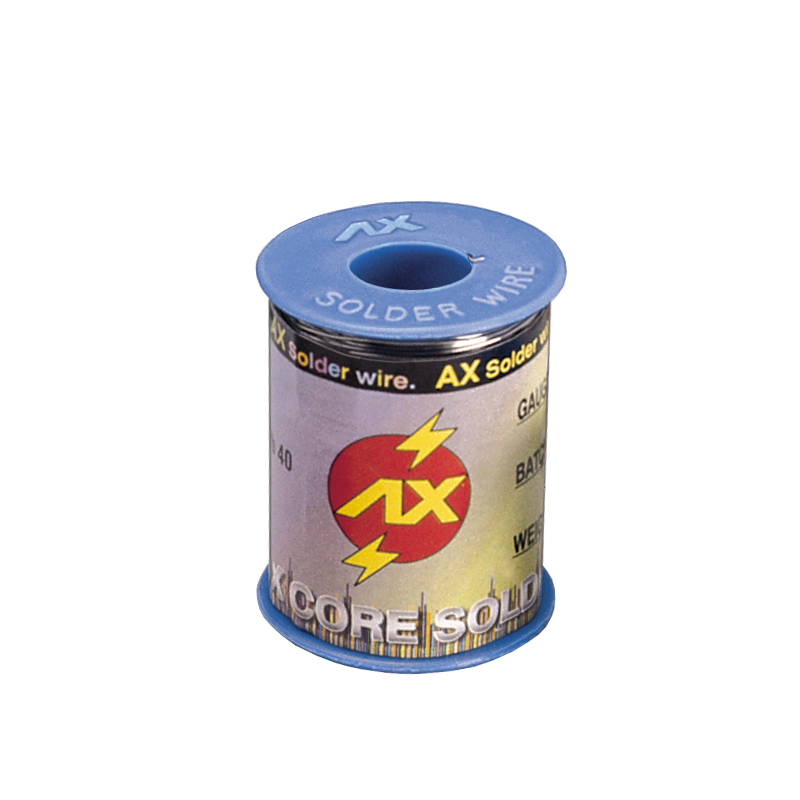
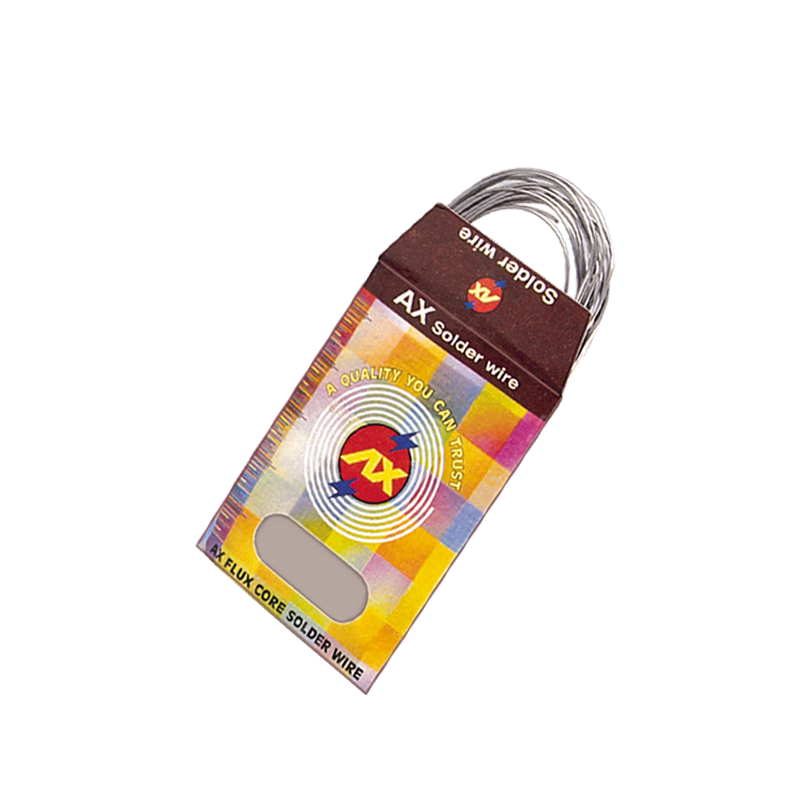
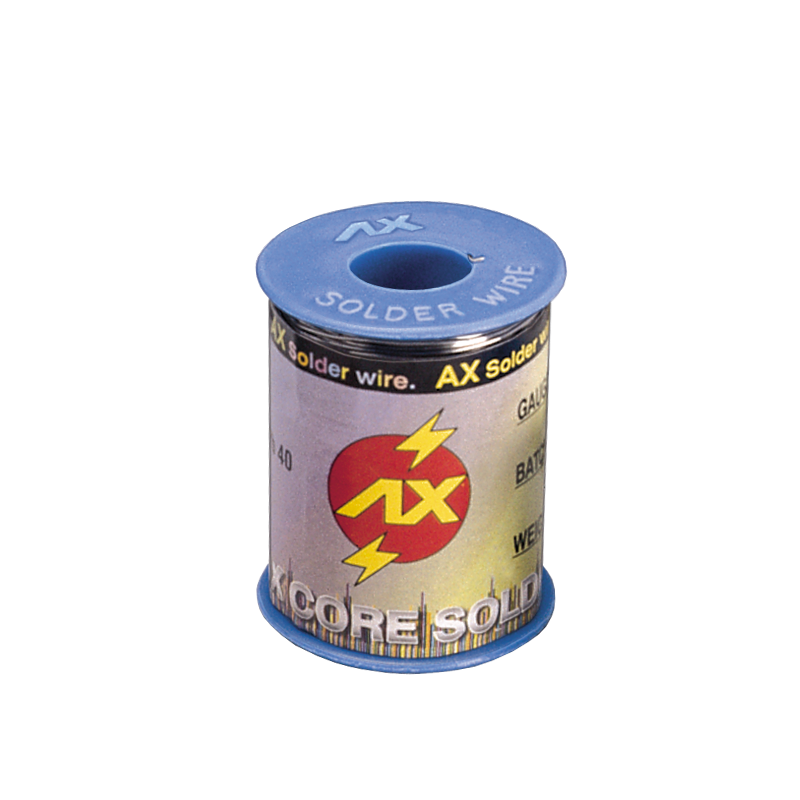
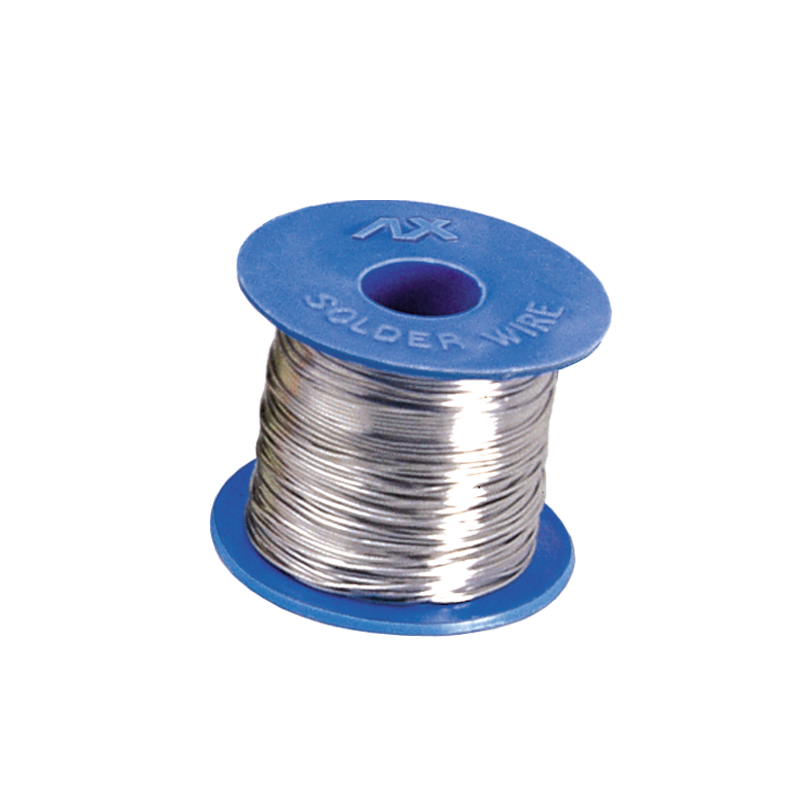
Solder Wire
60/40
22SWG
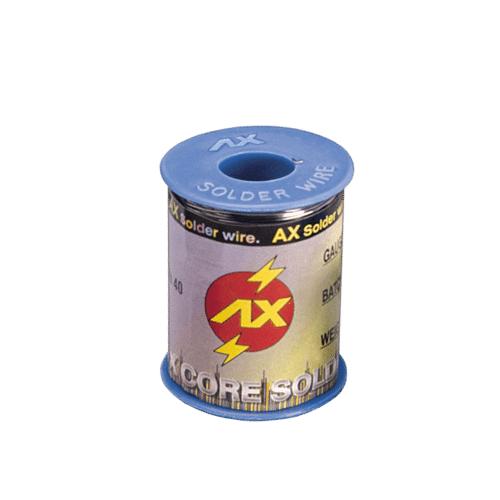
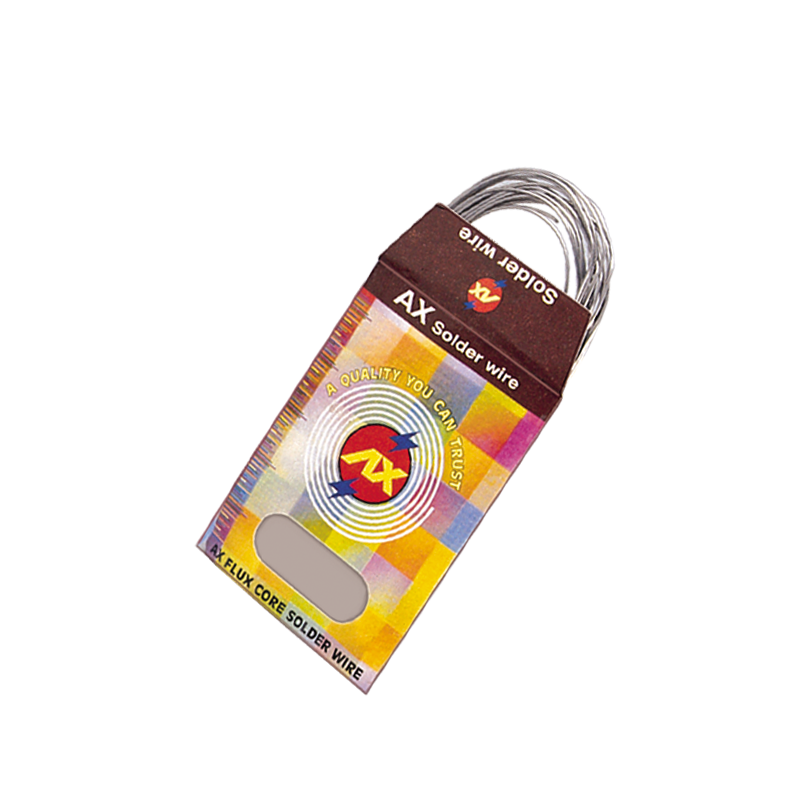
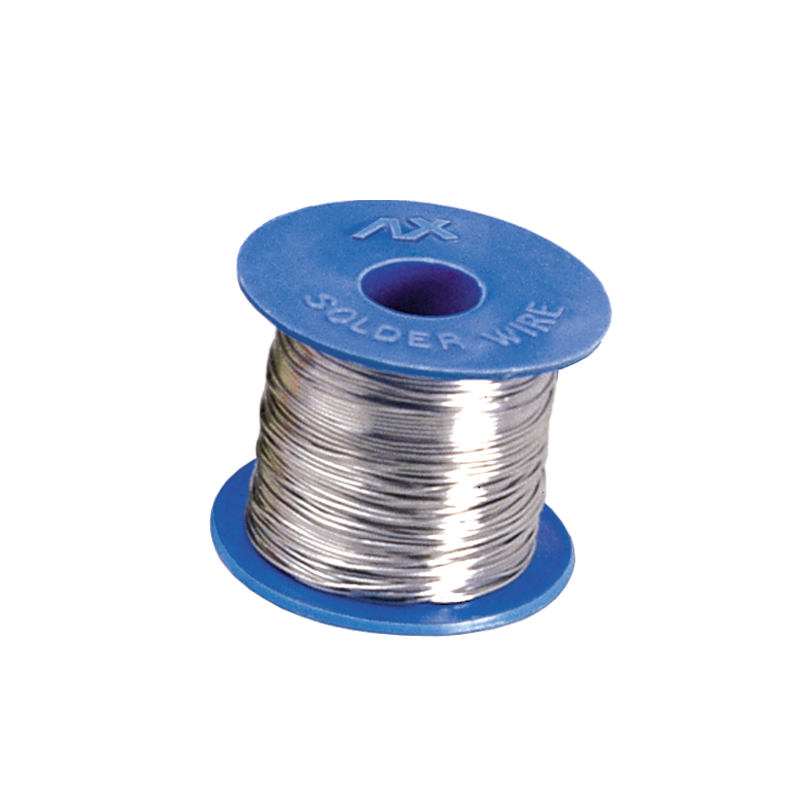
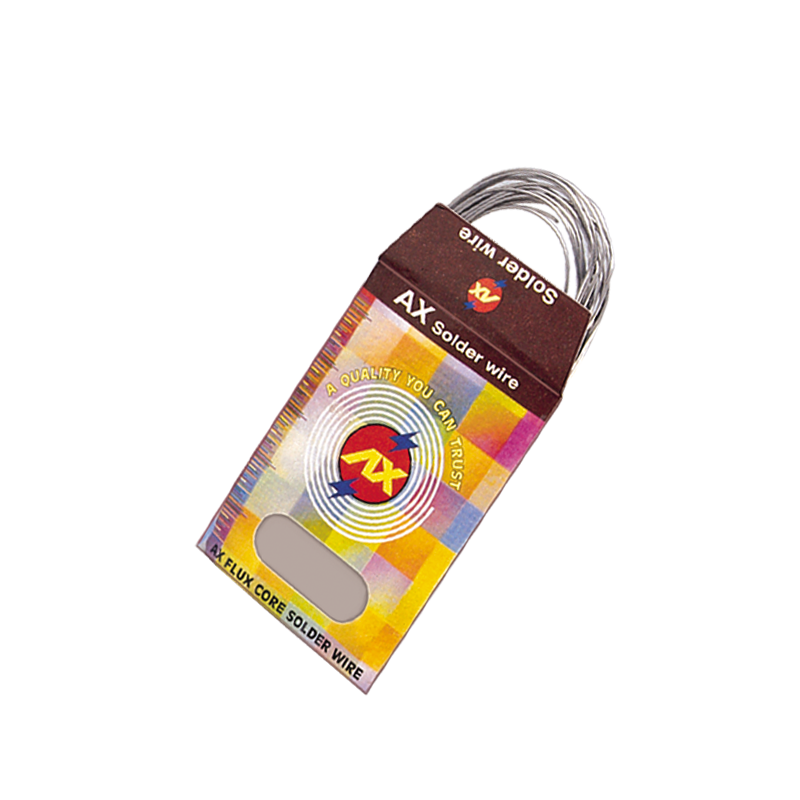
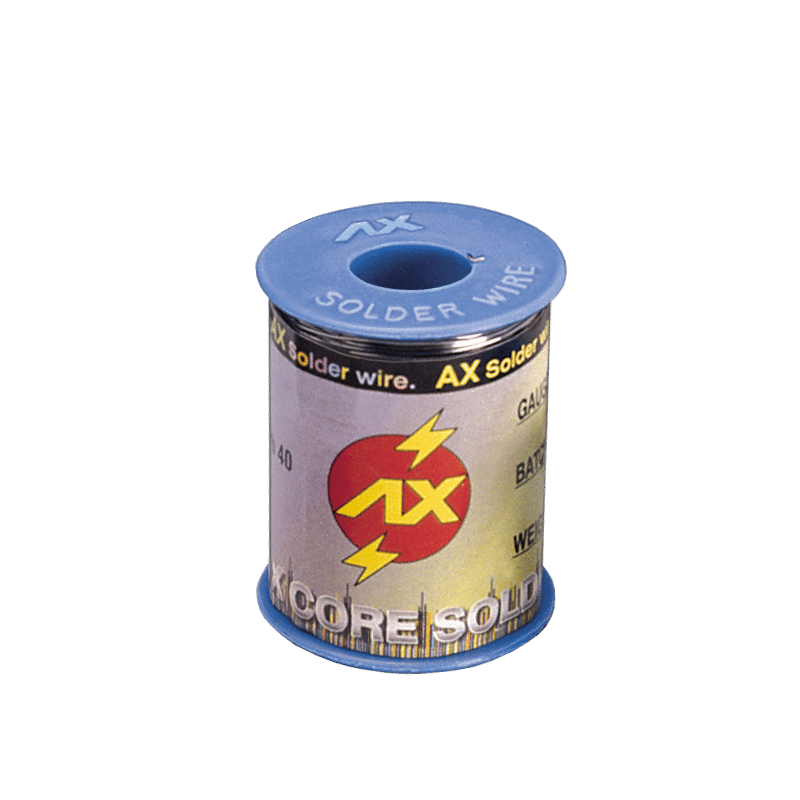
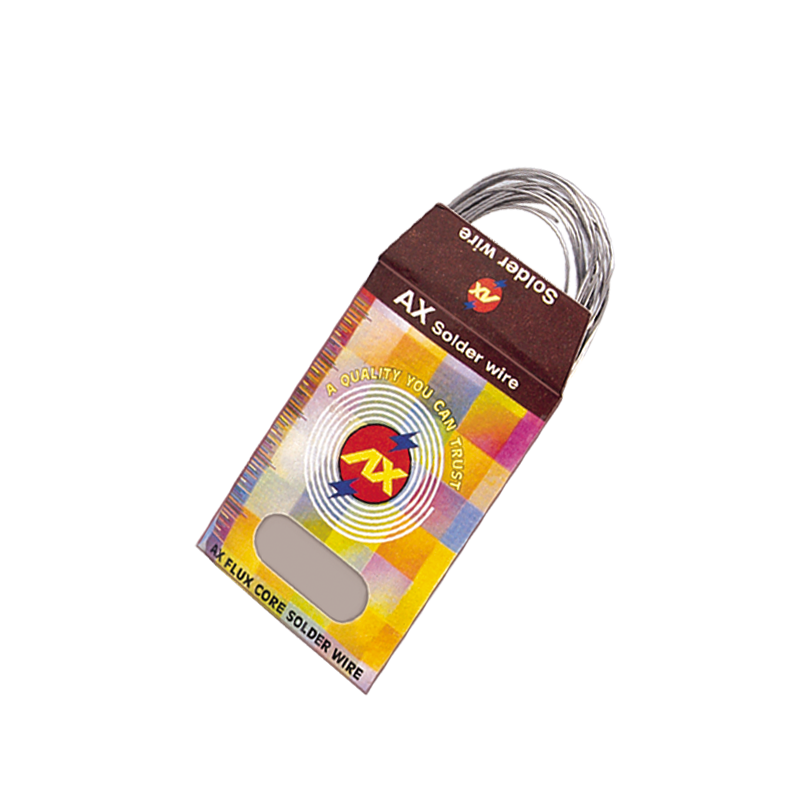
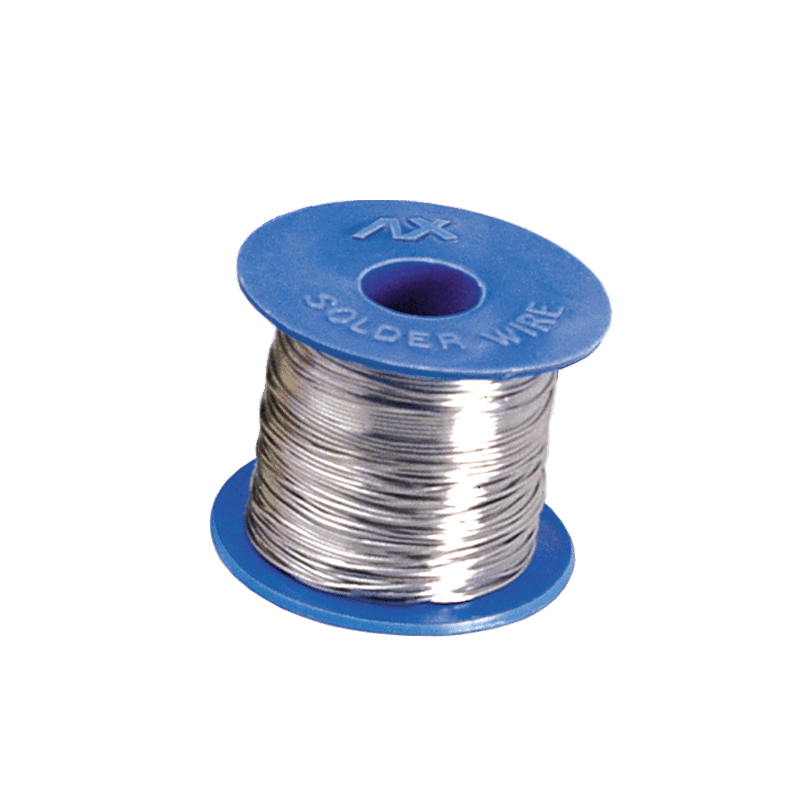
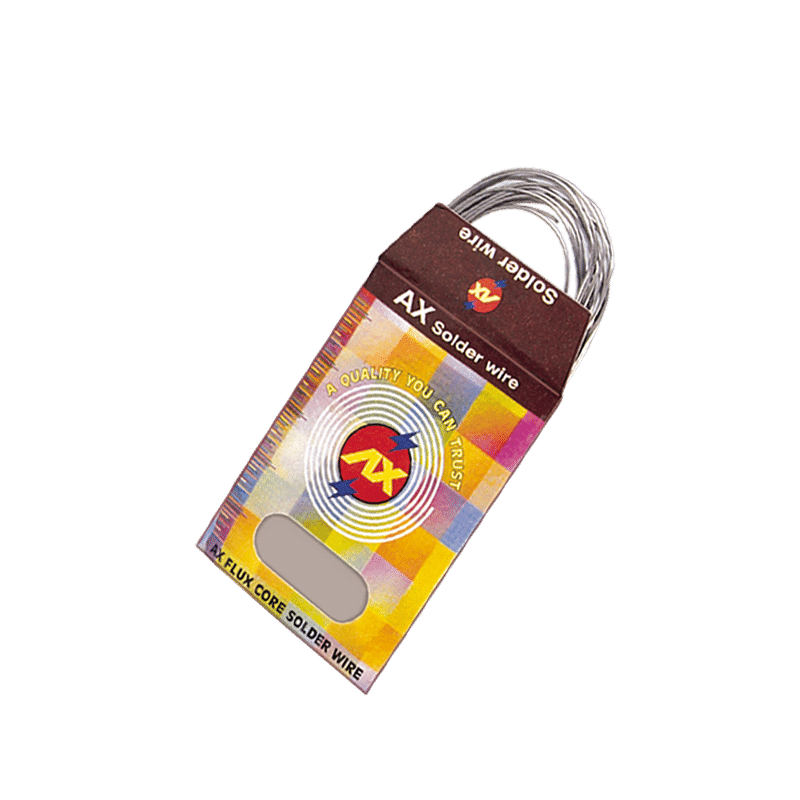
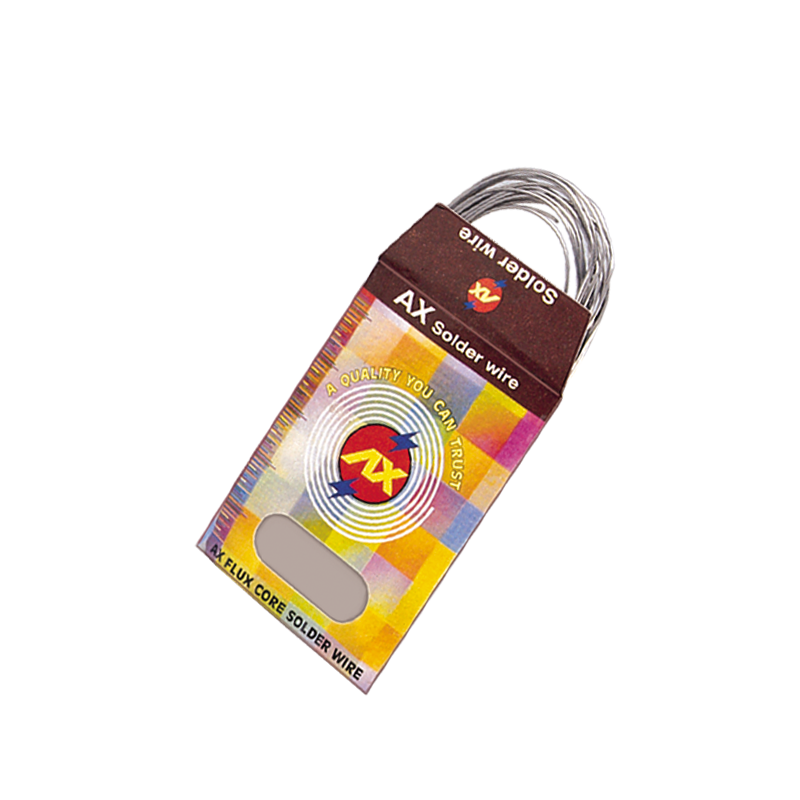
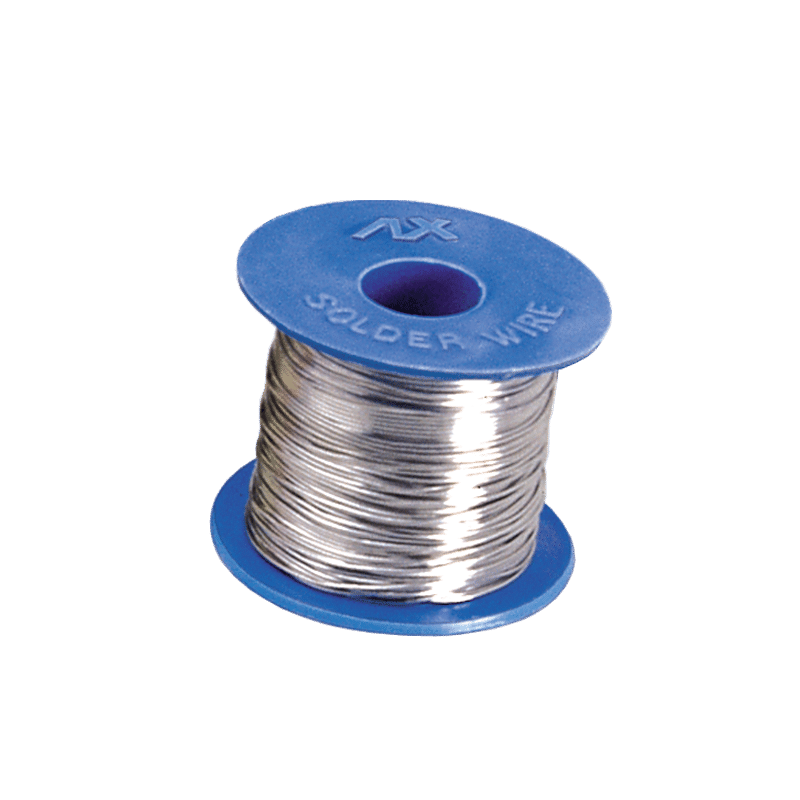
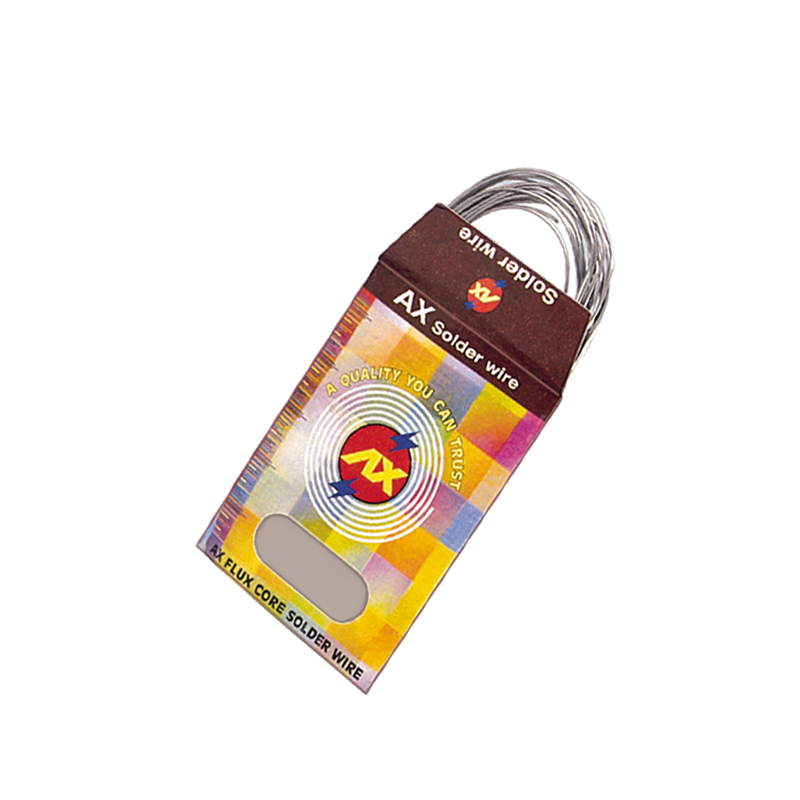
Solder Wire is a low-melting-point wire that may melt alongside the soldering iron. Many different types of soldering wires are available, depending on the use and soldering temperature. Each of them has its own set of applications and benefits. It is now possible to mass-make solders with precise pitches. Our provided Solder Wire is checked under various parameters to ensure its high quality and effectiveness. And, while the results of soldering using lead-free wire are rather solid, it is extremely fragile. This is very cost-effective to use.
Consistent Soldering ResultsEngineered for electronics, the solder wire provides consistent, strong joints thanks to its precise tin-lead alloy composition and 2% flux content. The rosin coating ensures efficient flow during soldering, minimizing residue and ensuring cleaner connections, especially on PCB and electrical components.
Robust Mechanical and Thermal PropertiesWith a tensile strength of 66 MPa and the ability to withstand operating temperatures up to 350C, this solder wire guarantees the durability and reliability necessary for modern electrical and electronic manufacturing. Its optimized melting point ensures rapid and safe application.
Wide-Scale Supply across IndiaAvailable through a network of trusted distributors, exporters, manufacturers, suppliers, traders, and wholesalers throughout India, this solder wire is accessible for both large-scale production and small-scale needs, catering to the countrys dynamic electronics sector with timely delivery and genuine quality.
FAQs of Solder Wire:
Q: How should the 500-gram spool of solder wire be stored to maximize its 12-month shelf life?
A: To maximize the 12-month shelf life, store the solder wire in a dry, cool, and dust-free environment, away from direct sunlight and humidity. Proper storage preserves the rosin coating and prevents oxidation, ensuring optimal performance when needed.
Q: What are the main benefits of using a 60/40 tin-lead solder wire with 2% flux content?
A: The 60/40 tin-lead composition offers an excellent balance of electrical conductivity and mechanical strength, while the 2% rosin-based flux ensures efficient wetting and clean joints. This combination makes it especially suitable for precise PCB and electronics soldering.
Q: When is this solder wire recommended for use in electronics and PCB applications?
A: This solder wire is ideal when working with circuits, electrical appliances, and PCB assembly, especially when reliable, low-resistance joints are required. Its melting point and composition make it suitable for applications up to 350C operating temperature.
Q: Where can I purchase this solder wire in India?
A: The solder wire is available through authorized distributors, exporters, manufacturers, suppliers, traders, and wholesalers across India. It is distributed through established networks to ensure consistent quality and timely delivery.
Q: What is the proper process for using this solder wire on electrical and electronic appliances?
A: Heat the connection area to the appropriate temperature (above 183C), apply the solder wire while maintaining contact, and allow the rosin flux to flow. This ensures a strong, reliable joint. Use adequate ventilation to safely manage flux fumes during soldering.
Q: What advantages does the rosin coating provide in this solder wire?
A: The rosin coating acts as an active flux, promoting clean, strong bonds by helping remove oxides from the surfaces being joined, thereby improving the reliability of soldered joints in electronics.
Q: How does the 0.8 mm diameter benefit precision soldering tasks?
A: A 0.8 mm diameter is ideal for precision soldering jobs, such as detailed PCB assembly or small component connections. It enables controlled application and reduces the risk of bridging or excess solder buildup.

 Send Inquiry
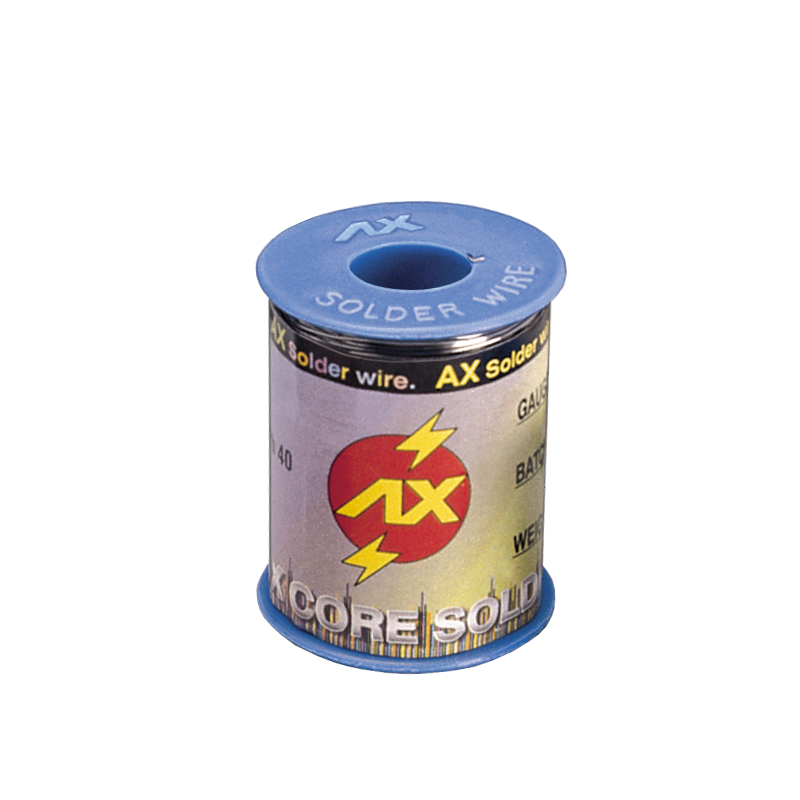

![SOLDER WIRE 22 SWG (TN/Pb) 60/40 [250 Gm]](https://cpimg.tistatic.com/04623376/b/4/SOLDER-WIRE-22-SWG-TN-Pb-60-40-250-Gm-.png)
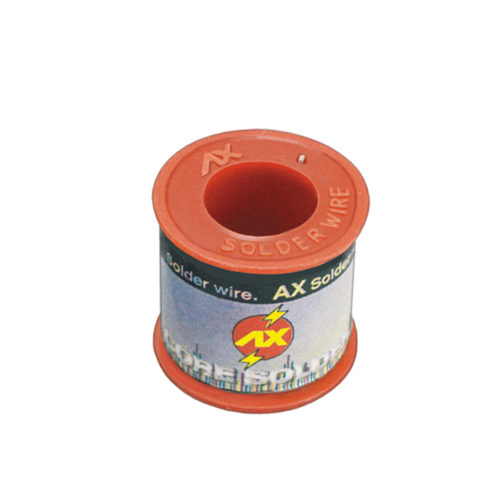
![SOLDER WIRE 22 SWG (TN/Pb) 60/40 [10 GM]](https://cpimg.tistatic.com/04623292/b/5/SOLDER-WIRE-22-SWG-TN-Pb-60-40-10-GM-.png)


 Send Inquiry

 Send Inquiry


